If you want to sell your Highlands Ranch home smoothly, the work starts before the listing goes live. A little planning now can help you avoid last-minute stress, reduce delays, and make the most of those important first days on the market. In this guide, you’ll see what to do, when to do it, and which local details matter most in Highlands Ranch. Let’s dive in.
Why timing matters in Highlands Ranch
Highlands Ranch has its own rhythm, and that affects how you prepare to sell. It is an unincorporated community in Douglas County, not a standalone city, so your sale may involve county rules, Metro District services, HRCA requirements, and in some cases a sub-association too.
That local structure matters because listing prep is not just about paint colors and photos. You may also need to confirm HOA details, gather account information, and check whether your neighborhood has more than one layer of association documents or fees.
The market has also stayed active, even though different sources report different numbers. Recent reports showed homes going pending in about 8 days by one source, 13 median days on market by another, and 30 median days on market by another, with a seller’s market reported in March 2026. The takeaway is simple: early preparation still matters because buyers may move quickly.
Start 2 to 6 weeks ahead
For most sellers in Highlands Ranch, a realistic prep window is about 2 to 6 weeks. The exact timeline depends on your home’s condition, how much decluttering is needed, whether you have HOA paperwork to organize, and whether any repair work needs permits.
If you are moving up locally and juggling work, kids, or pets, giving yourself a few extra weeks can make the process much easier. It creates room for planning instead of reacting.
3 to 6 weeks before listing
This is the time to build your game plan. You want to look at pricing strategy, disclosures, repair needs, and HOA details before photos are scheduled.
In Colorado, brokers must disclose the working relationship in writing, and offers for real estate must be in writing. For HOA homes, buyers can review CC&Rs from county records before contract, while full HOA governing documents are generally provided after the seller accepts an offer. That is one reason it helps to have your HOA account information and any sub-association details organized early.
If your prep list includes more than cosmetic work, check the timeline carefully. Douglas County requires permits for many electrical, plumbing, and mechanical install, repair, replacement, or alteration projects, and some limited residential projects may qualify for over-the-counter review and often same-day permits.
1 to 2 weeks before photos
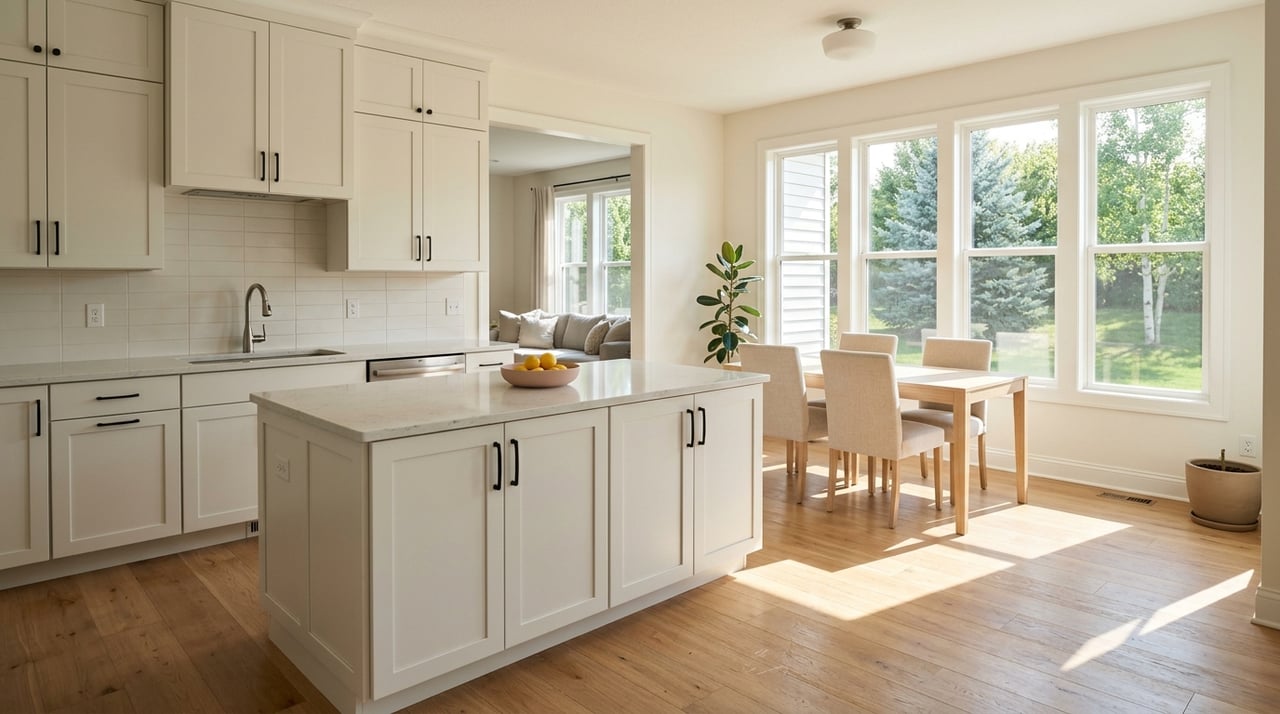
This is the main presentation phase. Focus on decluttering, depersonalizing, deep cleaning, and staging so your home feels open, bright, and easy for buyers to picture as their future home.
According to the National Association of Realtors’ 2025 staging data, 83 percent of buyers’ agents said staging made it easier for buyers to visualize a home as theirs. The same report found that 49 percent of sellers’ agents said staging reduced time on market, and 29 percent said it increased offered value by 1 to 10 percent.
A strong pre-photo checklist often includes:
- Removing extra furniture that makes rooms feel tight
- Clearing kitchen and bathroom counters
- Packing away personal photos and highly specific decor
- Cleaning windows, carpets, walls, baseboards, and light fixtures
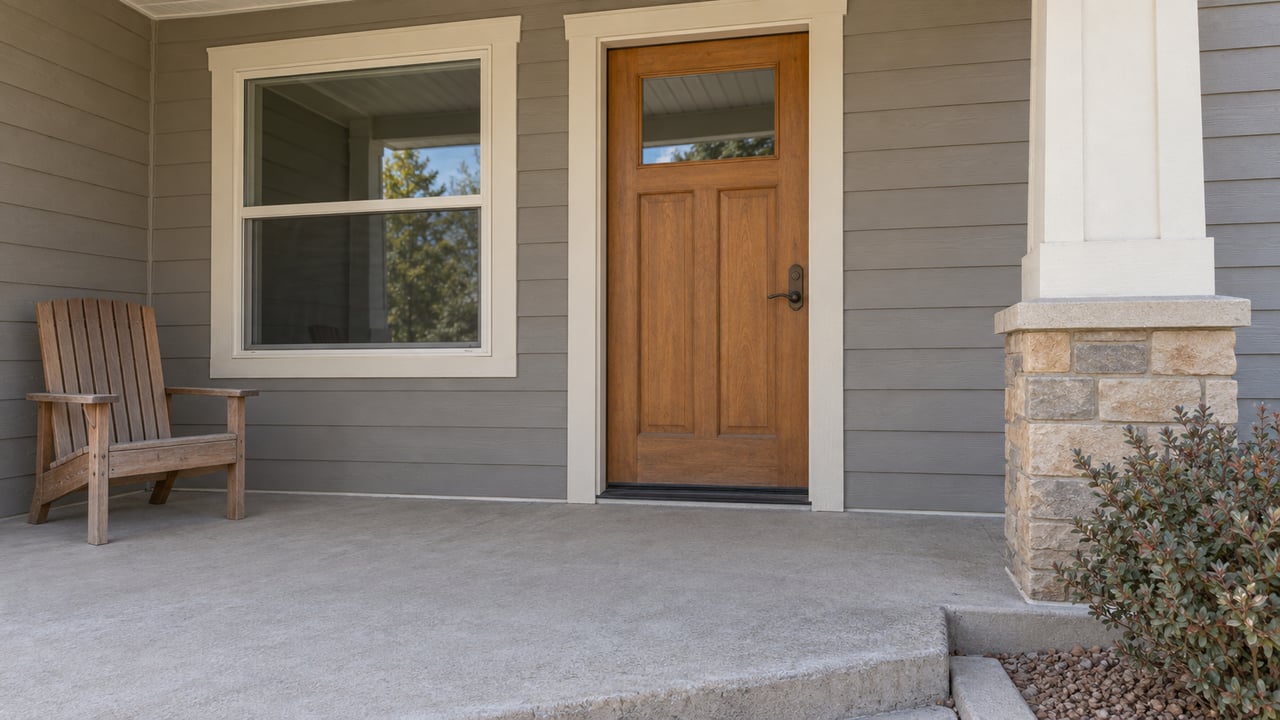
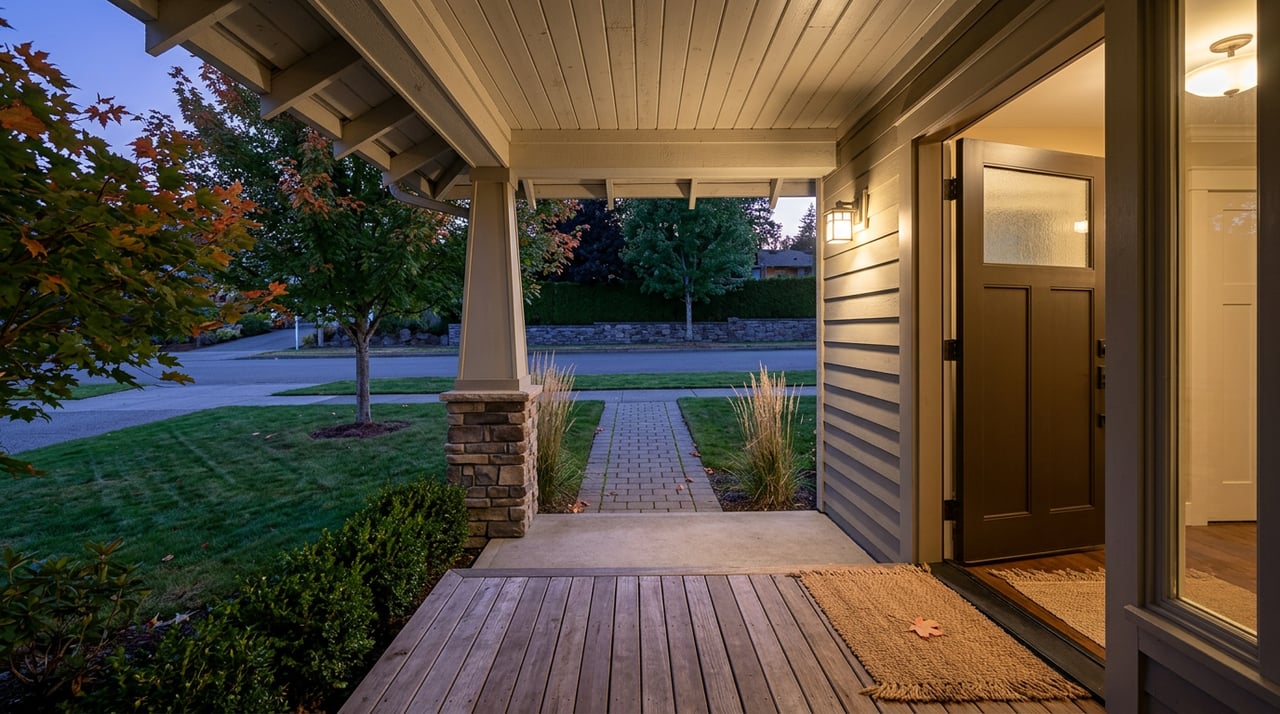
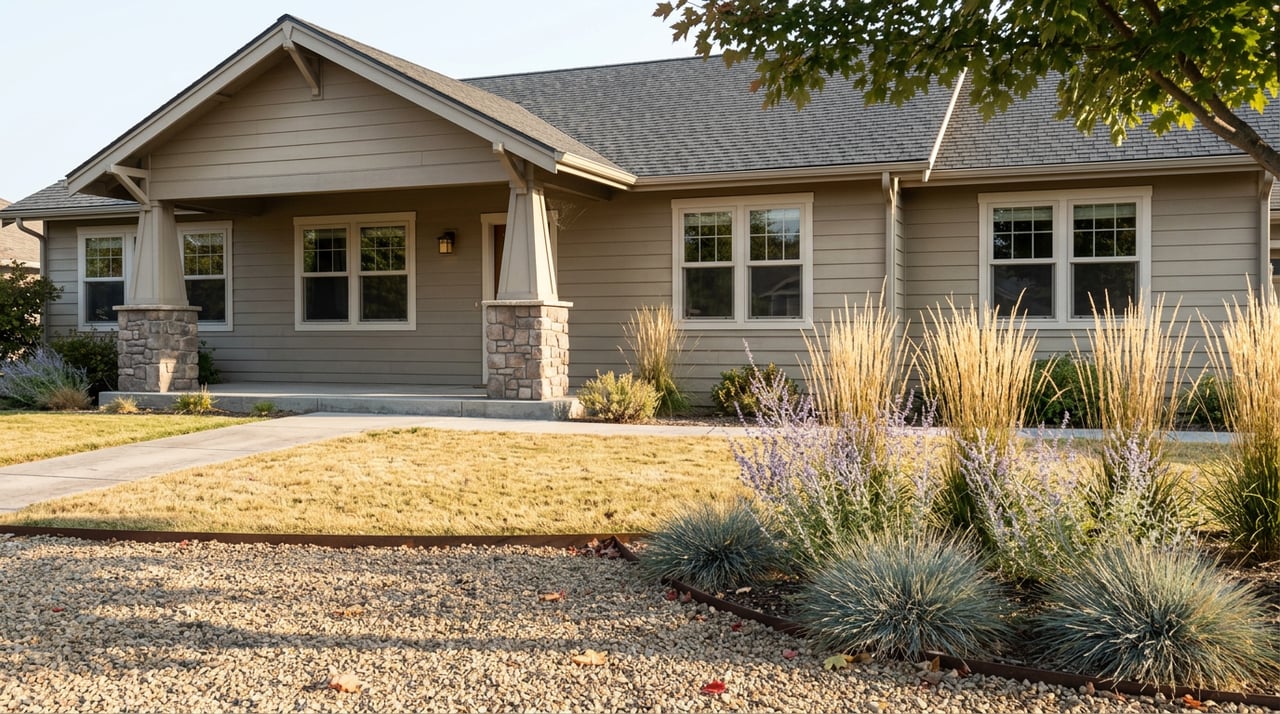
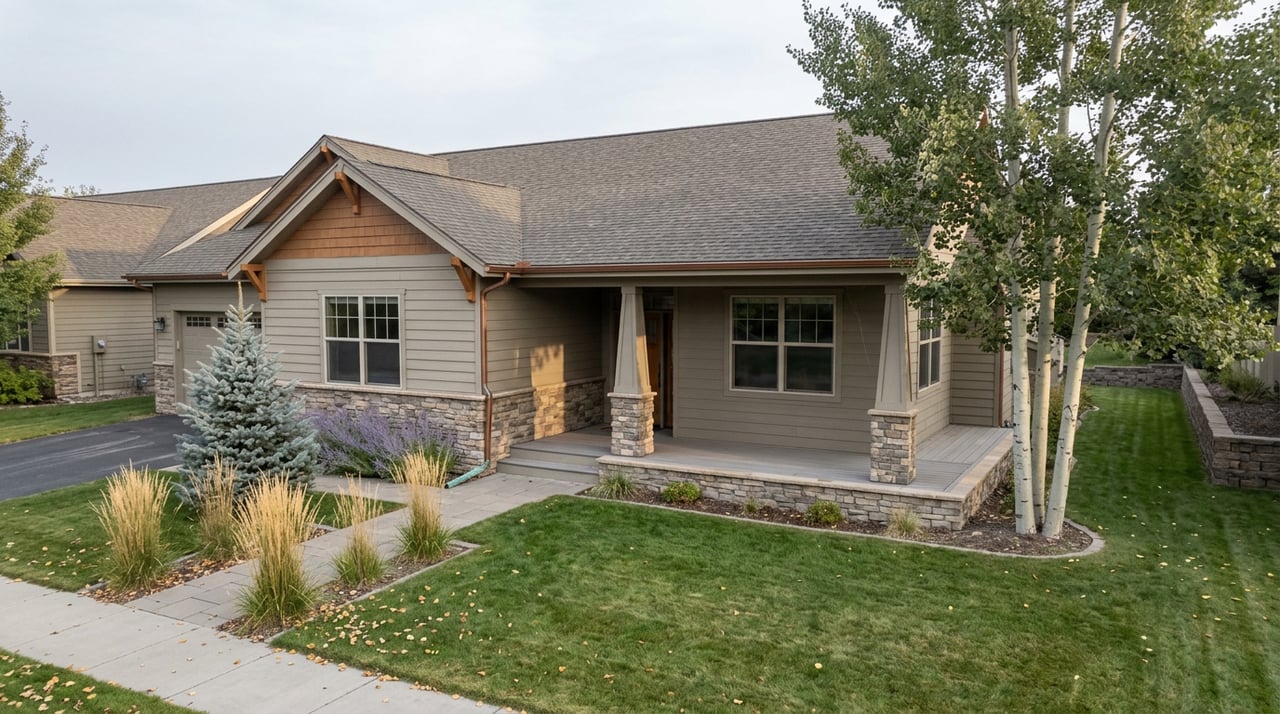
- Refreshing entry areas and front landscaping
- Replacing burned-out bulbs for brighter photos
Focus on updates with the best payoff
Not every project is worth doing before you sell. In most cases, the best return comes from high-visibility, low-disruption improvements that help the home look clean, cared for, and move-in ready.
That often means cosmetic cleanup over major remodeling. Fresh touch-up paint, minor hardware updates, carpet cleaning, deep cleaning, and simple curb appeal work are usually easier to finish on time and easier for buyers to appreciate right away.
Know when permits may apply
If a project involves electrical, plumbing, roofing, or mechanical work, pause before you start. Douglas County rules may require permits for that type of work, and using the proper permit path can help prevent delays later.
A smart rule of thumb is to keep your prep list centered on visible, straightforward improvements unless a larger repair is truly necessary. If regulated work is needed, plan for licensed help and enough lead time.
Stage the rooms buyers notice most
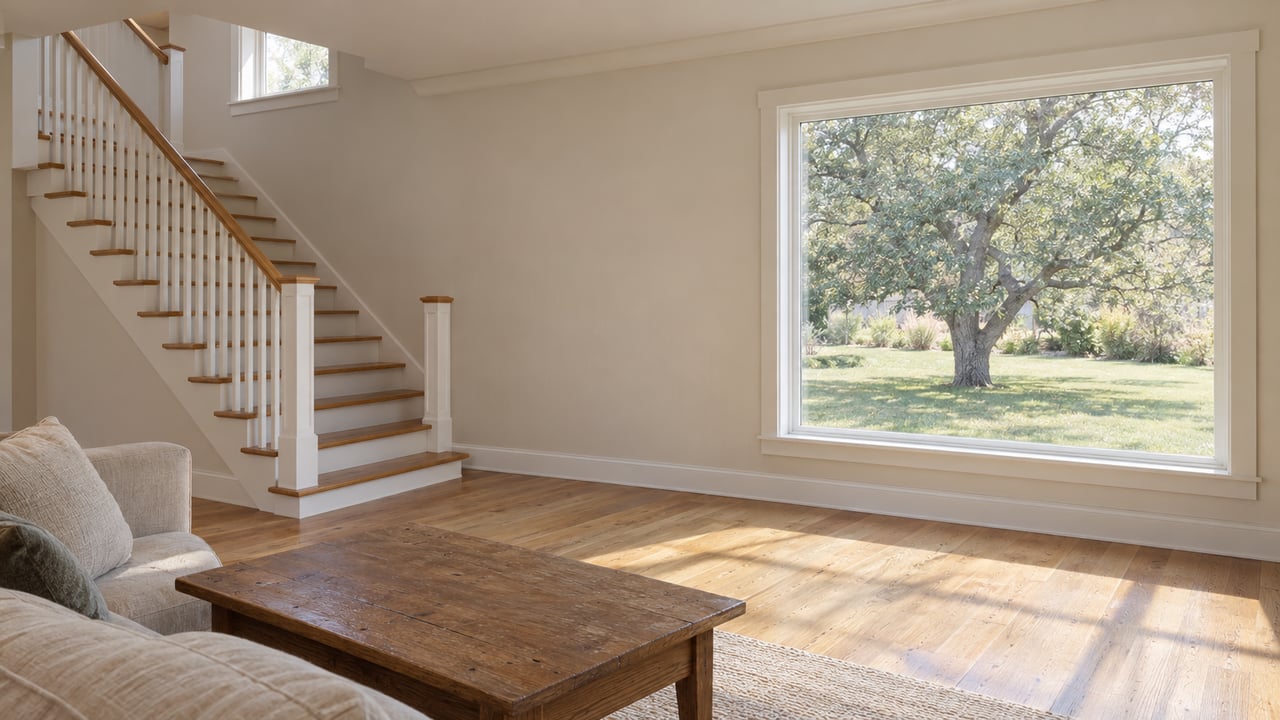
If you are not staging every room, prioritize the spaces buyers tend to notice first. NAR’s 2025 staging profile found that the living room, primary bedroom, and dining room were the most commonly staged rooms, and the living room was seen as the key staging priority.
That does not mean every room must look perfect. It means the most visible gathering and resting spaces should feel calm, functional, and easy to understand.
Gather HOA and HRCA documents early
In Highlands Ranch, HOA prep can be just as important as home prep. HRCA serves as the homeowners association for the community, and some neighborhoods also have sub-associations with separate assessments or rules.
Before listing, it is helpful to confirm whether your home has one HOA or more than one. You should also gather your account information, note any covenant history that may matter, and be ready for buyer questions about dues, documents, and community rules.
This early organization can make a real difference once you go under contract. Buyers often want HOA information quickly, and delays in locating it can slow the process.
HRCA closing items to expect
If your property is in Highlands Ranch, HRCA closing paperwork and fees should be part of your timeline. HRCA’s posted fee schedule includes:
- A $150 status letter for closing
- A $175 transfer fee paid at closing
- Collection of one or two quarters of dues at closing in many cases
HRCA also notes that resale paperwork is typically received 6 to 8 weeks after closing. Knowing these items ahead of time helps you budget and avoid surprises.
Build a showing routine that works
Once your home is listed, the goal is not perfection. The goal is a repeatable reset routine that helps you get out the door quickly when a showing request comes in.
NAR’s seller checklist suggests that when you have already decluttered, cleaned, depersonalized, and staged, your home should be able to get ready for showings in less than an hour. That is especially helpful if you are balancing a busy household.
A simple showing-day system
Your routine should be easy enough to repeat without stress. Most sellers do well with a few basic systems in place.
Try this checklist:
- Open window treatments
- Turn on all lights
- Wipe down kitchen and bath surfaces
- Put away pet items, toys, and daily clutter
- Disable the alarm before leaving
- Take pets with you if possible
- Keep a small exit kit ready with keys, chargers, snacks, and essentials
- Store valuables in a secure place
If you have kids, create one easy pickup zone for backpacks, shoes, and daily items. If you work from home, keep one basket or bin for quick desk cleanup so you can reset fast.
What happens after you accept an offer
Once your home goes under contract, the focus shifts from marketing to coordination. This stage usually includes inspections, appraisal, title work, HOA follow-up, and final closing preparation.
It helps to stay flexible here. Even with a well-prepared listing, the closing calendar can shift based on lender timing, title work, and document review.
Keep the closing timeline flexible
Buyers must receive the Closing Disclosure at least three business days before closing. That means your final timeline is not fully locked until the lender and title company confirm the file is clear to close.
This is one reason proactive planning matters so much on the front end. When your HOA details, repair paperwork, and home prep are already organized, there are fewer loose ends to manage at the last minute.
A practical Highlands Ranch selling plan
If you want the shortest path to a smooth sale, think in phases. First, organize the paperwork and repair plan. Next, focus on decluttering, cleaning, and presentation. Then launch with a home that is ready for strong first impressions and easier showings.
In a community like Highlands Ranch, those local details matter. County permit rules, HRCA requirements, sub-association questions, and closing fees can all affect your timeline right alongside pricing and photos.
When you prepare early, you give yourself more control over the process and a better chance to capture strong attention in the first stretch of your listing. If you want a clear plan tailored to your home, Melissa Smessaert can help you map out the right timeline and next steps.
FAQs
How far in advance should you prepare a Highlands Ranch home for sale?
- Most Highlands Ranch sellers should plan on about 2 to 6 weeks of preparation, depending on decluttering, repair needs, HOA paperwork, and photo readiness.
Which pre-listing updates are usually worth doing before selling a Highlands Ranch home?
- Cosmetic improvements like decluttering, deep cleaning, touch-up paint, light fixture updates, and curb appeal work are often the most practical updates before listing.
Which home projects may require permits in Douglas County before listing?
- Many electrical, plumbing, and mechanical install, repair, replacement, or alteration jobs may require permits in Douglas County, so it is smart to check before starting larger repairs.
What HOA documents should you gather before listing a Highlands Ranch home?
- Gather your HOA account information, confirm whether there is a sub-association in addition to HRCA, and be ready with any covenant history or assessment details that may matter to a buyer.
What HRCA closing fees should sellers expect in Highlands Ranch?
- HRCA lists a $150 status letter fee, a $175 transfer fee paid at closing, and in many cases collection of one or two quarters of dues at closing.
How can you keep a Highlands Ranch home show-ready with kids or pets?
- The easiest approach is a repeatable reset routine with clutter picked up in advance, a small exit kit ready to go, lights and window coverings handled quickly, and pets taken with you when possible.