Trying to pick the right part of Highlands Ranch can feel harder than choosing the right house. That is because Highlands Ranch is not one uniform suburb. It is a large master-planned community with different neighborhood pockets, housing types, and day-to-day rhythms. If you want a clearer way to narrow your search, this guide will help you match your lifestyle to the parts of Highlands Ranch that may fit best. Let’s dive in.
How Highlands Ranch Is Set Up
Highlands Ranch is an unincorporated community in Douglas County, and its services are shared among HRCA, the Highlands Ranch Metro District, Douglas County, and other partners. HRCA divides the community into four broad neighborhoods: Eastridge, Westridge, Northridge, and Southridge.
Within those larger areas, there are many sub-associations and housing options. HRCA materials show everything from single-family homes to custom homes, along with condo, townhome, and +55 communities. That means your exact address can shape your experience more than the neighborhood name alone.
This is especially important when you compare HOA structure, amenities, and rules. HRCA notes that some properties are part of separate sub-associations with their own boards and assessment fees. In other words, two homes in the same general area can still offer very different day-to-day living.
Best Areas for Commuters
If your top priority is getting around more easily, the strongest area to focus on is the Highlands Ranch Parkway, Ridgeline, University, and C-470 corridor. This part of Highlands Ranch offers some of the clearest transit connections in the community.
RTD identifies Highlands Ranch Town Center as a free Park-n-Ride near Highlands Ranch Parkway and Ridgeline Boulevard. It serves routes 0B and 402L. RTD also identifies C470 and University Boulevard as another free Park-n-Ride, with route 24 service.
Route 402L is especially useful for commuters because it runs from Littleton/Mineral Station to County Line Station. It includes stops along Highlands Ranch Parkway, Ridgeline Boulevard, University Boulevard, and County Line Road. If you want suburban living with practical transit access, the central corridor around Town Center stands out.
The Broadway corridor also adds flexibility. RTD shows Highlands Ranch Town Center, Broadway, and Englewood Station on the 0B route, which supports access along major travel corridors. HRCA also notes that Highlands Ranch offers convenient access to major activity and job centers like downtown Denver, the Denver Tech Center, and Park Meadows.
Who This Area May Fit Best
This part of Highlands Ranch can make sense if you:
- Commute to the Denver Tech Center or other major employment areas
- Want easier access to Park-n-Ride options
- Prefer to keep errands and daily stops simple
- Like the idea of being closer to shops and services
Best Areas for Trails and Open Space
If your ideal routine includes trail access, open views, and a stronger connection to nature, Highlands Ranch has a lot to offer. The Metro District manages 2,644 acres of open space and more than 70 miles of trail. It also notes that more than 4,700 homes back to open space areas.
For a trail-first lifestyle, Backcountry is the clearest pocket to know. HRCA’s Backcountry Wilderness Area includes an 8,200-acre conservation landscape with more than 25 miles of natural-surface trails. This gives that area a distinct feel compared with homes closer to retail and transit corridors.
There is one important detail to understand. HRCA states that the Backcountry Wilderness Area is private property owned by HRCA, and its trails are for HRCA members and their guests. At the same time, the Douglas County East/West Regional Trail runs through the Backcountry area, which creates a mix of private conservation access and a public regional connection.
Homes near open-space edges can offer a very different daily experience than homes near the center of the community. If you picture early walks, more natural surroundings, and a quieter edge-of-community feel, this may be the right direction to explore.
Who This Area May Fit Best
Trail- and open-space-focused pockets may fit you if you:
- Want outdoor access built into your routine
- Value proximity to trail corridors and conservation land
- Prefer a setting that feels more tucked away
- Would choose views and open space over being closest to retail
Best Areas for Shopping and Dining
If you want to be close to restaurants, shops, and community activity, Town Center is the clearest hub in Highlands Ranch. The Highlands Ranch Historical Society says Town Center was dedicated in 2004 as a gathering place to shop, dine, and enjoy the surroundings.
That makes this area a strong fit for buyers who want an amenity-forward lifestyle. While Highlands Ranch is still suburban rather than urban, HRCA says the community includes a variety of commercial, convenience commercial, and retail amenities and is home to nearly 1,000 businesses.
Living near Town Center can make day-to-day errands feel simpler. It also puts you closer to one of the community’s most established shopping and dining anchors. For many buyers, that balance of convenience and neighborhood feel is a big plus.
Best Areas for Low-Maintenance Living
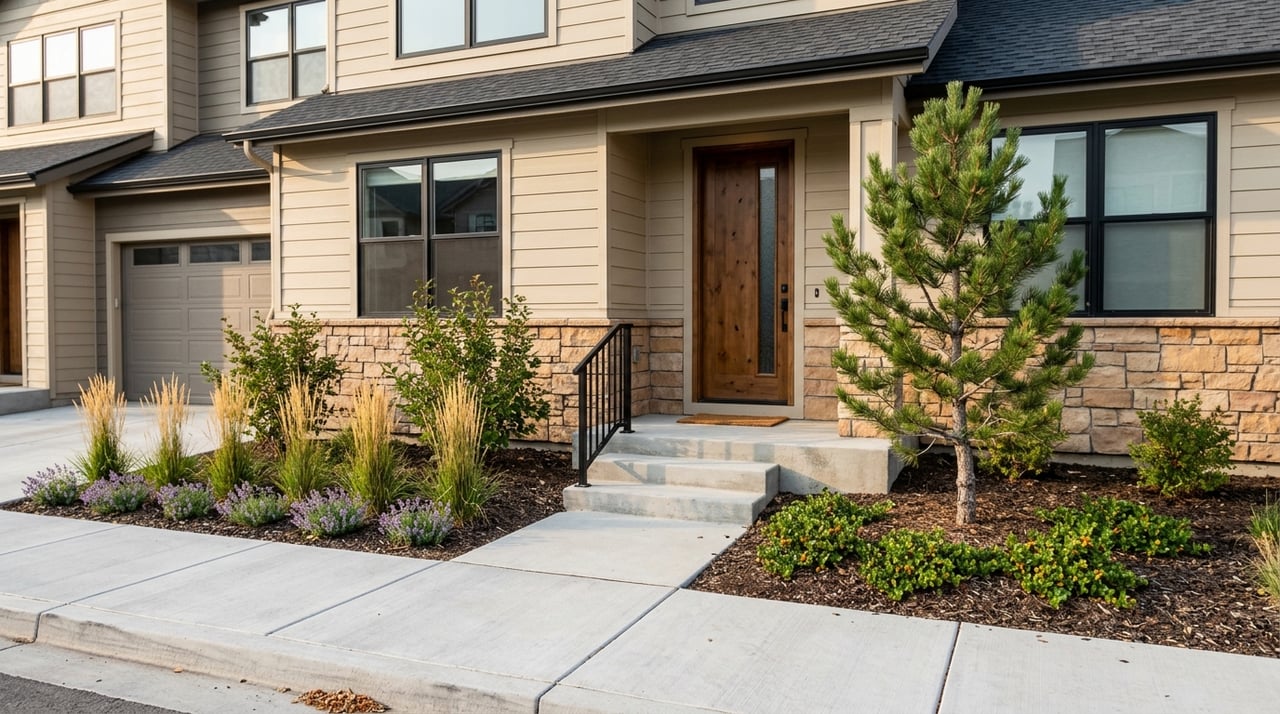
If you want less yard work and more lock-and-leave convenience, Highlands Ranch has several attached-housing options to consider. HRCA’s residential directory lists condo and townhome communities across the community, including Clocktower Residences, Tresana, Stoneybridge Villas Townhome Association, Highland Walk Condominiums, and Brownstones at Town Center.
These communities can appeal to buyers who want a simpler upkeep routine or who are downsizing from a larger home. They can also be worth a closer look if you want to stay in Highlands Ranch while shifting toward a more manageable home style.
Highlands Ranch also includes active-adult options identified by HRCA, including Gleneagles Village Homeowners Association +55 Community and The Retreat +55 Community. If you are specifically looking for a +55 setting, these are important communities to have on your list.
Low-Maintenance Options to Compare
When you compare condos, townhomes, and attached communities, pay attention to:
- Sub-association dues and what they cover
- Exterior maintenance responsibilities
- Community rules and governance structure
- Proximity to Town Center, trails, or recreation centers
- Whether the home style matches your long-term plans
Best Areas for Traditional Suburban Living
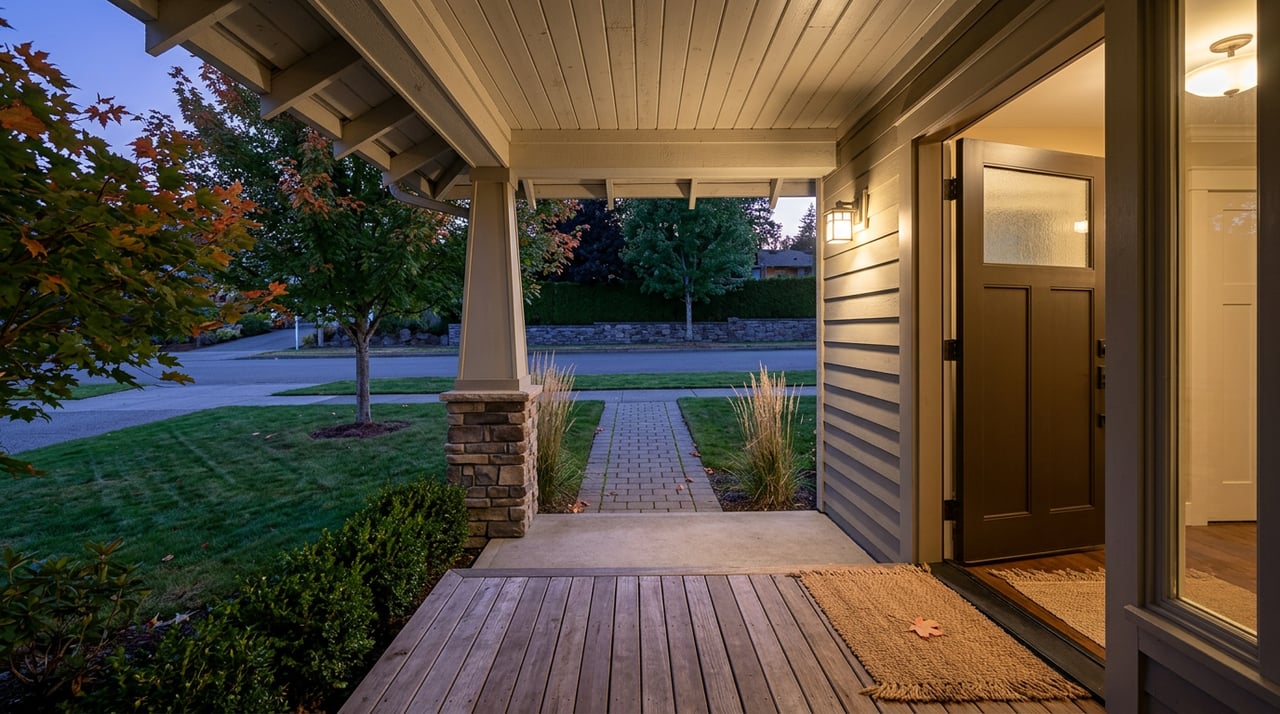
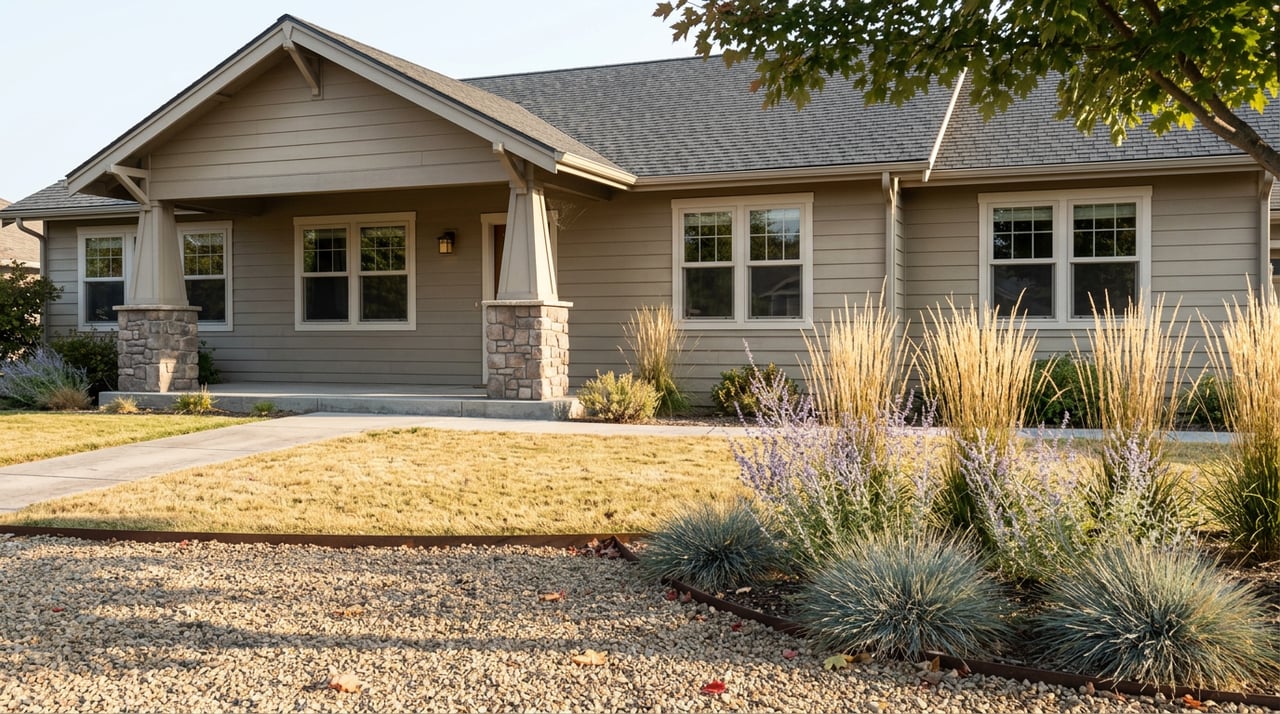
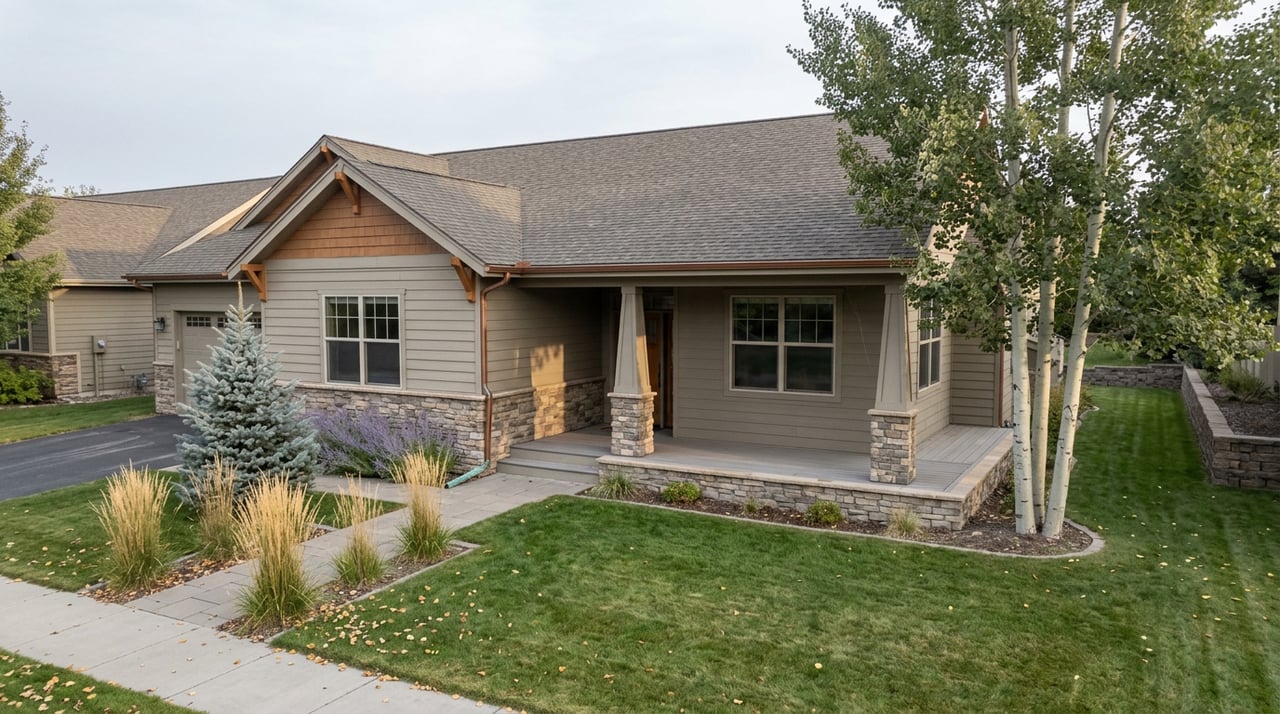
Many buyers are not looking for one standout feature like transit or trail access. They simply want a comfortable residential setting with a strong mix of homes, parks, trails, and amenities. In that case, the broader neighborhood groupings of Eastridge, Westridge, Northridge, and Southridge can all be worth exploring.
HRCA and local community materials consistently point to parks, trails, recreation centers, and open-space access as major lifestyle differentiators across Highlands Ranch. In many cases, your best fit comes down to the exact home, nearby amenities, and whether the property is part of a sub-association.
This is one reason I often tell buyers to think beyond the neighborhood label. A home’s location within Highlands Ranch can affect your daily drive, your recreation-center access, your HOA setup, and the overall rhythm of your week.
Recreation Centers as a Tie-Breaker
If you are comparing two similar homes, proximity to a recreation center can help break the tie. HRCA operates four member recreation centers: Northridge, Southridge, Eastridge, and Westridge.
For some buyers, that matters a lot. If you regularly use fitness facilities, classes, or indoor recreation amenities, a shorter drive to your preferred center can improve your routine in a real way.
This is a small detail that can have a big quality-of-life impact. It is also one more reason why exact location matters so much in Highlands Ranch.
A Simple Way to Narrow Your Search
If you want a practical shortcut, here is a helpful framework based on the community’s official housing, trail, and transit information:
- Commuter-first: around Town Center and the major Park-n-Ride corridors
- Trail-first: near Backcountry and open-space edges
- Convenience-first: around Town Center and shopping-dining hubs
- Low-maintenance: in condo, townhome, and +55 communities listed by HRCA
- Traditional suburban living: across the four broad neighborhood groupings
The goal is not to find the one “best” neighborhood. It is to find the part of Highlands Ranch that fits how you actually want to live.
If you are sorting through Highlands Ranch neighborhoods and want help matching home options to your routine, priorities, and budget, Melissa Smessaert can help you make a confident plan with local, detail-focused guidance.
FAQs
What are the main neighborhoods in Highlands Ranch?
- HRCA divides Highlands Ranch into four broad neighborhoods: Eastridge, Westridge, Northridge, and Southridge.
Which Highlands Ranch area is best for commuting?
- The corridor around Highlands Ranch Parkway, Ridgeline Boulevard, University Boulevard, and C-470 is one of the strongest areas to consider for commuting and transit convenience.
Which Highlands Ranch area is best for trails?
- Homes near Backcountry and open-space edges are often the clearest fit for buyers who want a trail-focused lifestyle and closer access to natural areas.
Are there condos and townhomes in Highlands Ranch?
- Yes. HRCA lists multiple attached-housing communities, including Clocktower Residences, Tresana, Highland Walk Condominiums, Brownstones at Town Center, and Stoneybridge Villas Townhome Association.
Are there +55 communities in Highlands Ranch?
- Yes. HRCA identifies Gleneagles Village Homeowners Association +55 Community and The Retreat +55 Community as active-adult options.
Why does the exact address matter in Highlands Ranch?
- The exact address can affect sub-association membership, assessment fees, amenities, rules, recreation-center access, and whether the home is closer to trails, shopping, or commuting routes.