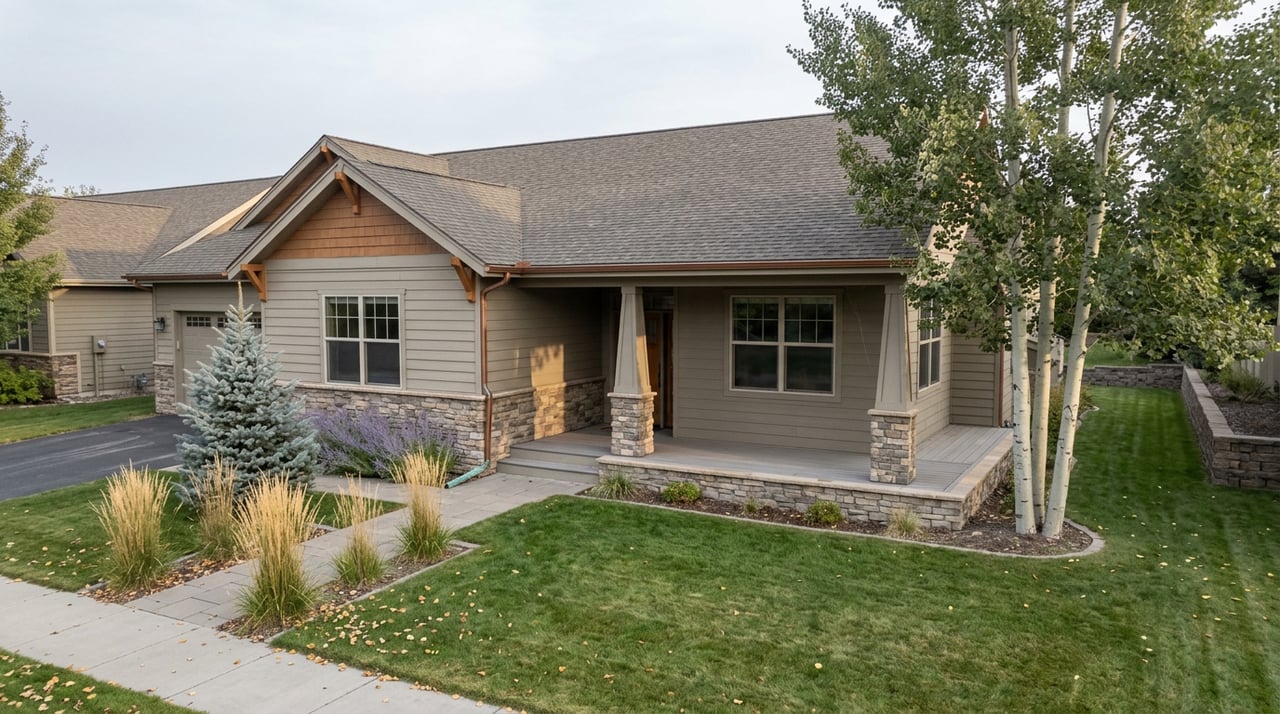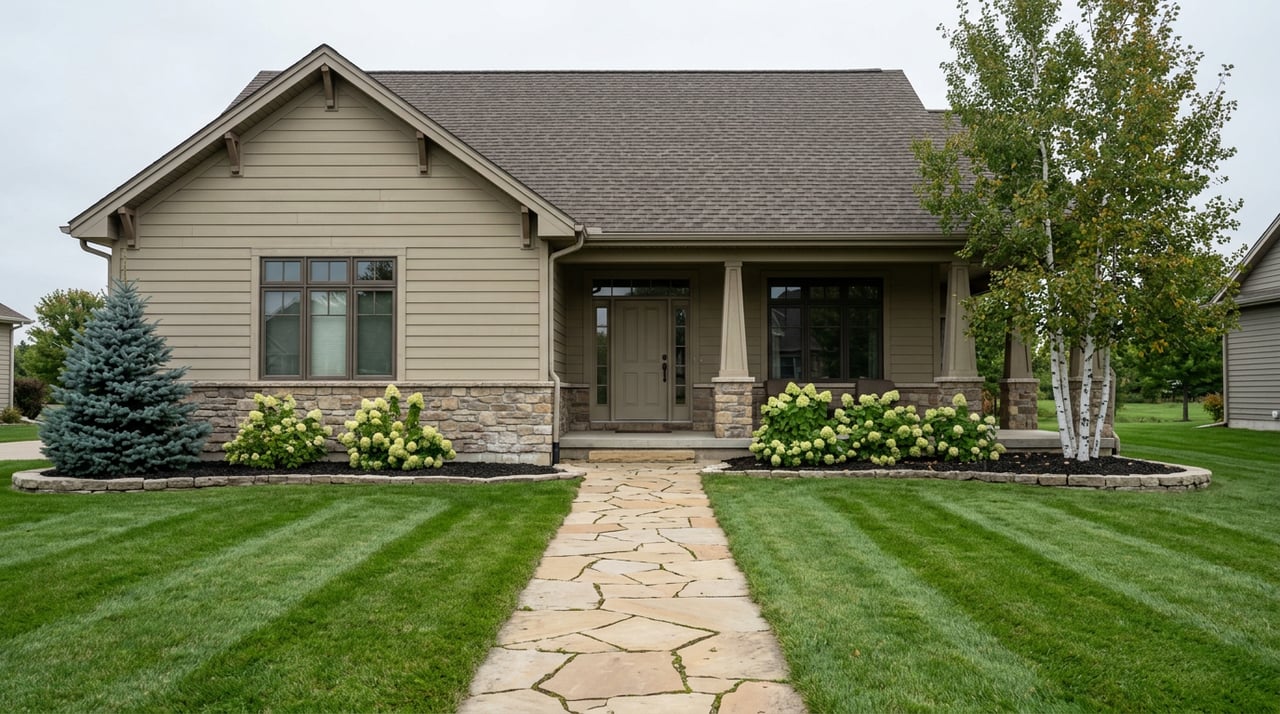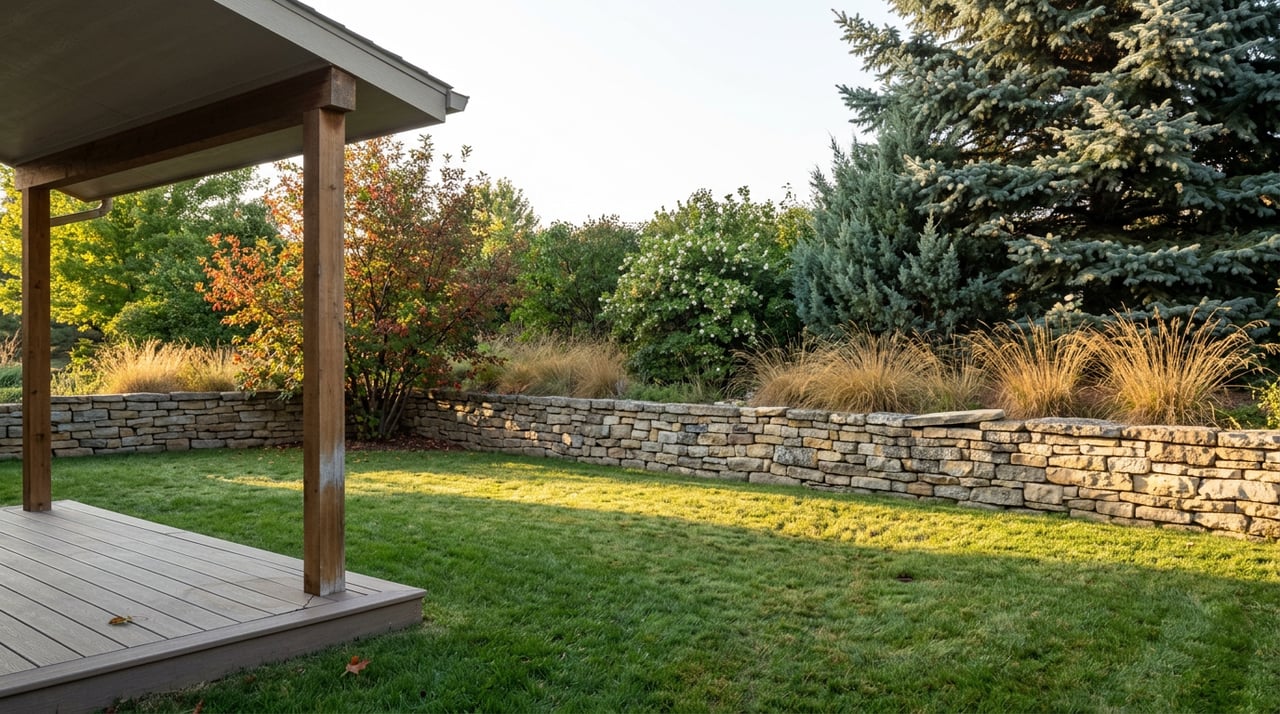
"We want residents to know they won't be cited if their lawns turn yellow," Highlands Ranch Community Association CEO Mike Bailey said this year. For a neighborhood built on tidy front yards and matching turf, that is not a small thing to say out loud.
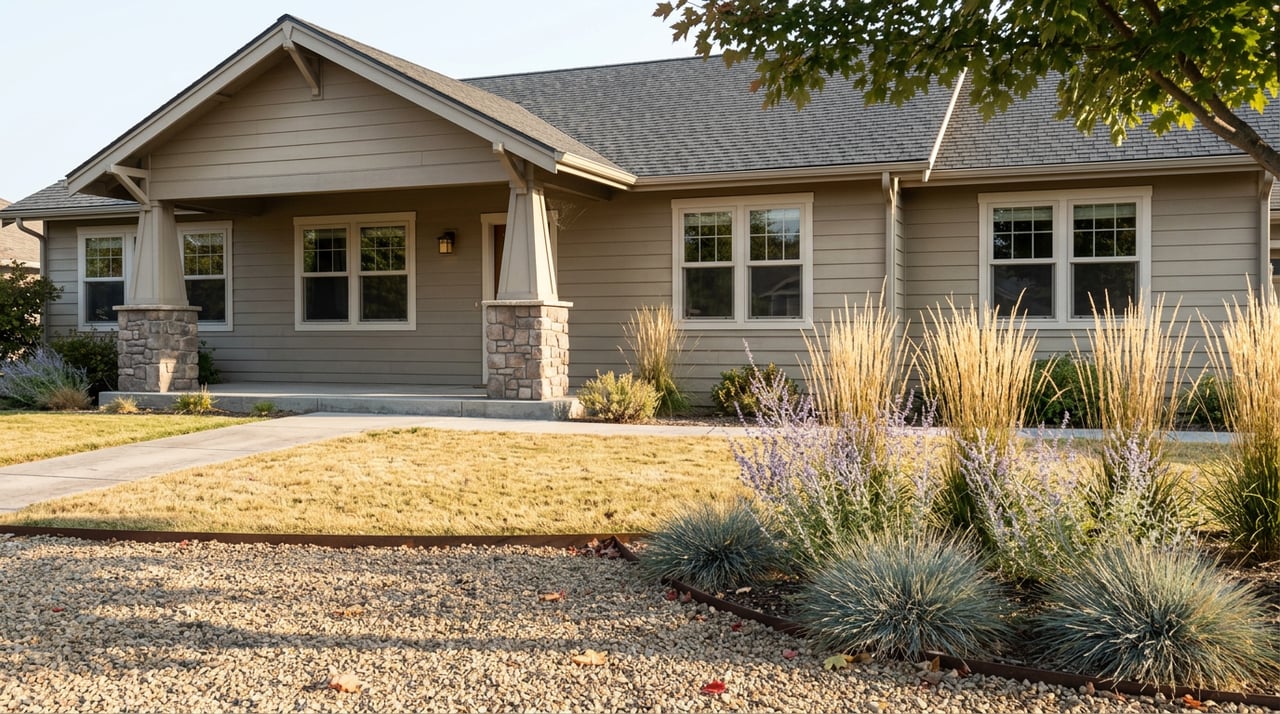
If you have walked or driven through Highlands Ranch this September, you have seen the result. Patches of dormant, straw-colored grass sit next to green ones, sometimes on the same block, sometimes on the same lot. As of the U.S. Drought Monitor's update on September 3, 2026, Highlands Ranch Water's entire service area is classified as being in extreme drought. That is the most recent classification the district has published.
The easy explanation is the weather. But the weather doesn't explain why your neighbor's HOA suddenly stopped caring what their front yard looks like. That part is a decision, made by name, in board meetings, and it is worth understanding if you live under it.
The Vote That Said No, Then the One a Month Later That Said Yes
Go back to late winter. By late February, the snowpack feeding Highlands Ranch Water through the South Platte River Basin, the source of roughly 85% of the district's supply, was sitting at 59% of normal. By March 20, it had fallen to a historic low of 38%, even as customer demand ran about 23% above what the district had projected for the season.
The Highlands Ranch Water Board of Directors met on March 30, 2026, and enacted Stage 1 drought restrictions effective April 1: two assigned watering days per week, no irrigation between 10 a.m. and 6 p.m. from May 1 through September 30, and a public request that residents not turn sprinklers on before mid-May. At that same meeting, the board made a specific choice: it decided not to enact drought pricing. Higher rates for water use above a household's budget, the district said, would stay tied to the standard 2026 rate structure, not to drought.
That held for less than four weeks. At an April 27 meeting, the same board reversed itself and voted to add drought pricing on top of the Stage 1 restrictions, effective for billing periods starting May 1. The reversal is the tell. A board does not walk back a deliberate decision inside a month unless the numbers behind it moved faster than expected. In this case, they did.
What Two Days a Week Actually Looks Like in September
Under Stage 1, outdoor watering in Highlands Ranch has been rationed by address since April 1:
| Property type | Assigned watering days |
|---|---|
| Odd-numbered addresses | Wednesday and Saturday |
| Even-numbered addresses | Thursday and Sunday |
| Multi-family and apartment properties | Monday and Friday |
| Non-residential customers | Tuesday and Sunday |
Layer the seasonal rule on top of that schedule and the math gets tighter still. No irrigation of any kind is permitted between 10 a.m. and 6 p.m. from May 1 through September 30, so even on your assigned day you are working with early morning or evening hours only. Hand watering with a shutoff nozzle and drip irrigation for trees, shrubs, and gardens are exempt from the day-of-week limit and allowed any time. A hose left running into the gutter is not just wasteful, it is a violation the district can act on directly.
The daytime ban expires at the end of this month. The twice-weekly schedule itself does not have an announced end date tied to the calendar. It ends when the board says Stage 1 is over, and with the drought classification moving to extreme rather than easing, nothing points toward that happening before winter.
The Water That Costs More the Moment You Use It
Every Highlands Ranch household has an individualized outdoor water budget based on lot size, and staying inside it means your rate does not change at all. Go over it and the April 27 pricing decision starts to bite. For usage between 101% and 120% of budget, the rate rose from $7.66 to $9.58 per 1,000 gallons. For usage between 121% and 140% of budget, it rose from $11.63 to $14.54 per 1,000 gallons.
Those numbers only matter against a baseline, and here it is: a single mid-sized sprinkler zone can run through more than 1,000 gallons in an hour. One extra cycle a week, run past your budget over a summer, is the difference between a bill that looks like every other year and one that doesn't. The district's own advice, repeated across its resource pages, is the boring kind that actually works: water in the cool hours, cycle and soak so it doesn't run off your clay soil into the street, and check your irrigation system for leaks before assuming you need more water rather than a repair.
HRCA Just Told You Not to Fix It
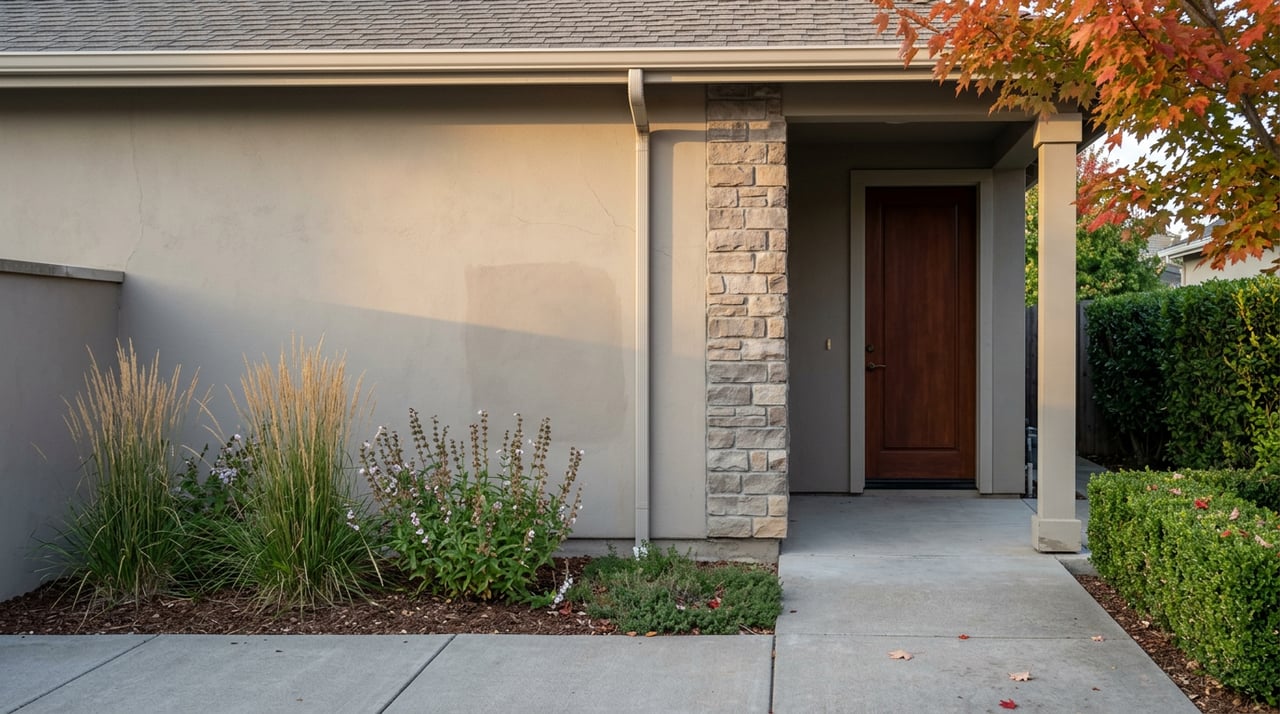
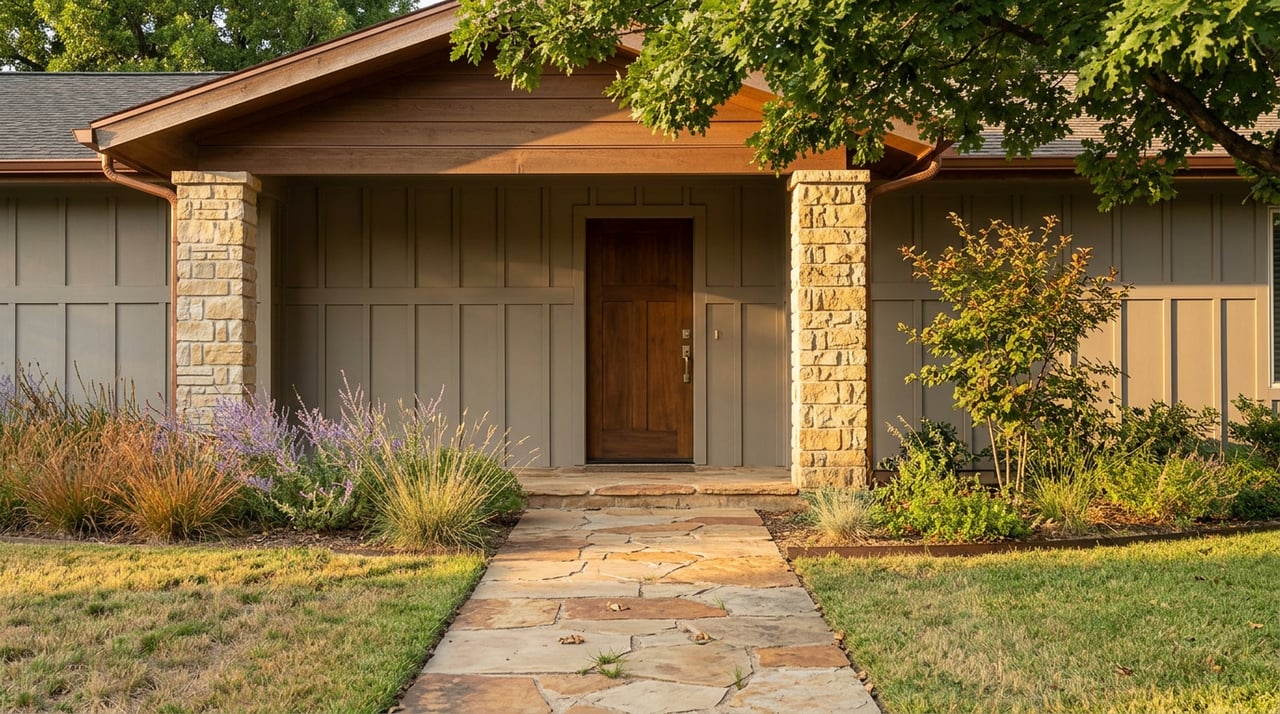
Here is the part that changes how the neighborhood looks, not just what it costs. Bailey's statement that residents will not be cited for a yellow lawn was not an offhand comment. It came paired with a concrete policy: HRCA is waiving architectural review fees for homeowners who want to convert to ColoradoScape, the water-wise planting approach the district promotes as an alternative to traditional turf.
Colorado state law backs this up independently of anything HRCA decides. House Bill 21-1229 prohibits homeowners associations from requiring water-intensive turf or penalizing residents for xeriscaping or letting a lawn go dormant during a declared drought. In a community where front-yard appearance has historically been part of the unwritten deal, that is a real shift in what your association can ask of you, not just a temporary pass.
Put those two things together and the picture is different from "everyone's yard looks a little rough right now." The organization that used to be the one enforcing a green front yard is now actively funding the alternative and has said, on the record, that it will not punish you for skipping the water bill to keep it up.
If You Want to Change the Yard for Good, the District Will Help Pay For It
For residents thinking past this season, Highlands Ranch Water runs two programs worth knowing about before you touch a shovel:
- A free Slow the Flow sprinkler audit, run through the district's partner Resource Central, sends a technician to your property to check whether your irrigation system is actually matched to what your yard needs.
- The turf replacement rebate pays homeowners to swap grass for low-water plantings, and participants are exempt from both the daytime and day-of-week watering restrictions while their new plants get established.
The district is discouraging new sod installations entirely this year, since fresh turf needs daily water to take root, which the current schedule does not allow. If a yard project is on your list, the rebate path is the one that does not fight the restrictions the whole time you are working on it.
What This Means Heading Into Fall
The extreme drought classification the district published on September 3 is the most recent status on record. That matters for anyone assuming the brown patches are a summer problem that will quietly green back up once the calendar flips. The daytime watering ban lifts at the end of September, but the twice-a-week schedule and the underlying water shortage that triggered it are not tied to a fall reset. Snowpack recovery over the winter is the actual variable that decides what next spring looks like, and that is months away from being knowable.
For now, the more useful mental model is the one HRCA and Highlands Ranch Water have both already offered in public: a brown lawn on your street this fall is not neglect, and it is not a sign something has gone wrong with the block. It is what compliance looks like this year, and the people who used to grade yards on green have said so themselves.
If you are weighing what any of this means for a home you are getting ready to sell, or thinking about how a yard project fits into a longer plan for your property here, I'm happy to talk through it. Reach out to Melissa Smessaert to schedule a consultation.