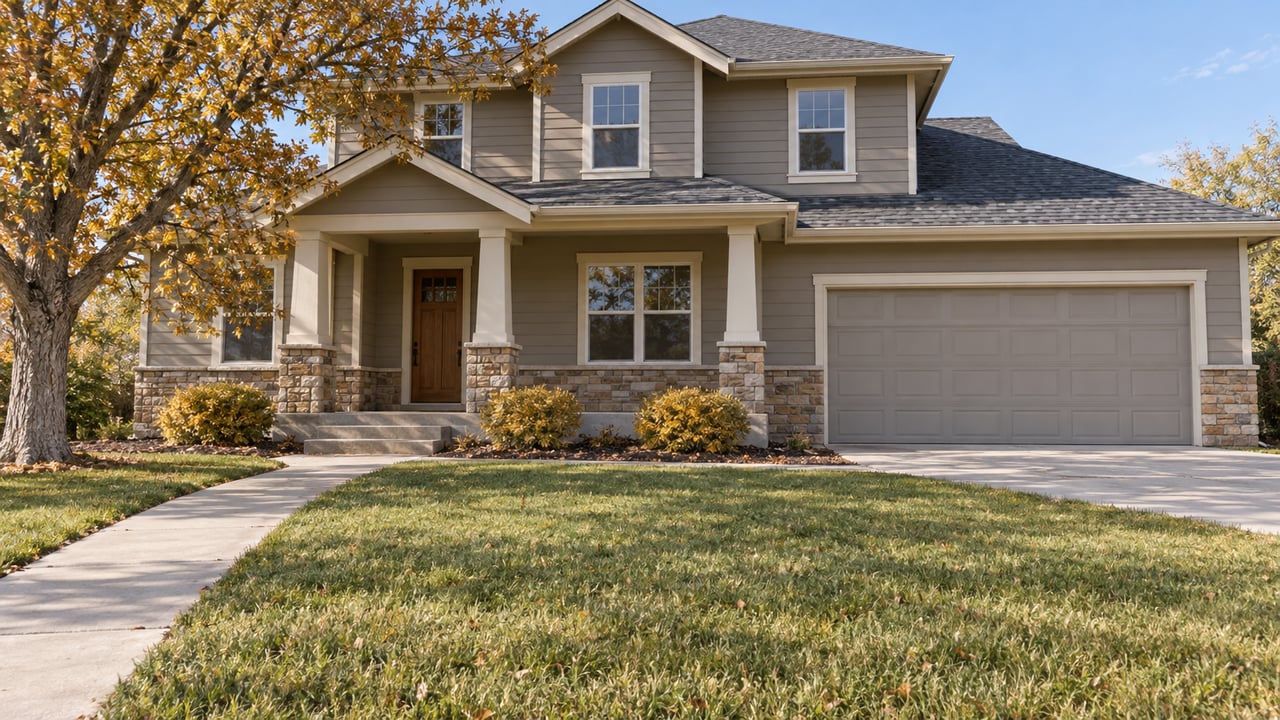
If your current home no longer fits the way you live, you are not alone. Many Highlands Ranch homeowners reach a point where they need more space, a different layout, or a better fit for work, school, and daily routines. The good news is that a move-up does not have to feel chaotic when you plan around the local market and your real life. Let’s dive in.
Why move-up planning matters in Highlands Ranch
Highlands Ranch is a large master-planned community with more than 103,000 residents across a 22,000-acre footprint. Daily life here often depends on how close you are to parks, trails, recreation centers, open space, and the routes you already use for work, school, and activities.
That is why a move-up decision is about more than square footage. It is also about protecting the routines that make your week work. In Highlands Ranch, trails and neighborhood connections are part of how many residents move through the day, not just a nice extra.
The community includes 26 parks, more than 70 miles of trails, 2,644 acres of open space, four private recreation centers, and the 8,200-acre Back Country Wilderness Area. When you plan your next move, it helps to think about which of those lifestyle pieces you want to keep, improve, or trade off.
Start with your numbers first
Before you look at homes, get clear on what your move-up budget really is. That starts with your likely equity, your mortgage payoff amount, and the costs tied to both selling and buying.
A current market snapshot matters here. In April 2026, the median sale price in Highlands Ranch was $684,646, which was down 3.6% year over year. If you are still using an older value in your head, your real budget may be different than you expect.
Estimate your usable equity
Your equity is not just your home’s market value minus your loan balance. You also need to account for selling expenses and the costs of your next purchase.
A simple way to think about it is this:
- Estimated sale price
- Minus current mortgage payoff
- Minus seller closing costs and commissions
- Minus any repair or prep costs
- Leaves estimated net proceeds
- Then subtract your down payment, buyer closing costs, and moving costs for your next home
Buyers should also budget for closing costs that typically run about 2% to 5% of the purchase price. On top of that, you may need funds for repairs, property taxes, insurance, and any HOA dues tied to the next property.
Separate value from taxes
It is also important to understand that market value and property taxes are not the same thing. In Douglas County, residential property is revalued every two years in odd-numbered years, and taxes are calculated from actual value, the assessment rate, and the mill levy.
That matters when you compare homes. A house that seems similar on price alone may carry a different annual tax picture, so it helps to review those numbers early instead of after you are under contract.
Decide whether to sell first or buy first
One of the biggest stress points in a move-up is timing. Most homeowners naturally ask the same question: Should we sell first, buy first, or try to overlap both?
In many cases, people try to sell first before buying another home. That approach can give you a clearer budget and reduce the risk of carrying two housing payments at once.
Selling first
Selling first can make the financial side more predictable. You know your net proceeds, you can shop with a firmer budget, and you may feel more confident about your next offer.
The tradeoff is timing. You may need temporary housing, a short-term rental, or a rent-back arrangement if your replacement home is not ready when your current sale closes.
Buying first
Buying first may work if you have enough savings, lending flexibility, or a plan that does not depend entirely on your current home selling right away. It can reduce the pressure of finding your next home fast.
The downside is added financial strain and more moving pieces. If your current home takes longer to sell than expected, stress can build quickly.
Overlapping both
An overlap can be the most convenient on paper, but it requires careful coordination. This is where timing tools such as contingent offers, inspection contingencies, financing contingencies, temporary housing, or rent-back options may be worth discussing.
These are not one-size-fits-all solutions. They are tools to help reduce risk and avoid misunderstandings when you are trying to line up two major transactions.
Get the buy side organized early
If you are moving up, do not wait until your home is listed to get serious about the purchase side. Organizing early gives you more control and fewer surprises.
As of August 17, 2024, many MLS participants working with a buyer must enter into a written agreement before touring a home. In practical terms, that means it is smart to talk through your budget, timing, showing process, and must-haves before you start visiting properties.
In Colorado, offers for real estate must be in writing, and Commission-approved contract forms are normally required unless a buyer, seller, or attorney drafts the contract. Colorado also requires written disclosure of the working relationship, so having these conversations early can make the process feel much smoother once the right home appears.
Use contingencies thoughtfully
In a move-up transaction, contingencies can be part of a stress-reduction plan. They help set expectations and create structure around what has to happen next.
Colorado recognizes contingency items as a normal part of the state-approved contract. For buyers, this can help avoid misunderstandings and give you a clearer path if financing changes or an inspection reveals a serious issue.
Common timing tools to discuss
- Financing contingency if your loan approval is still in progress
- Inspection contingency so you can evaluate major condition concerns
- Home sale contingency in situations where your purchase depends on your current home selling
- Rent-back if you need extra time in your current home after closing
- Temporary housing if you want more flexibility between closings
The right mix depends on your budget, your risk tolerance, and how much flexibility your household needs.
Protect your daily routine during the move
A move-up is easier when you plan around how your family actually lives. In Highlands Ranch, that often means thinking through commute routes, childcare, sports schedules, recreation access, and the places you visit every week.
Because the community is connected by trails, parks, open space, and neighborhood amenities, small location changes can affect your day more than you expect. A house with more room may still feel like a poor fit if it adds friction to drop-offs, after-school activities, or your normal commute.
Questions to ask before choosing a home
- How will the new location affect your morning and afternoon routines?
- Will your route to activities still feel manageable during the week?
- Are you trying to stay close to certain trail connections, parks, or recreation centers?
- Would a short-term overlap reduce pressure on your household schedule?
- Do you need a layout that supports remote work, guests, or multigenerational living?
When you answer these questions early, your home search becomes more focused and less reactive.
Verify school assignment details early
If school convenience matters to your move-up plan, verify the exact address with the district before you make a decision. That step is especially important now because feeder patterns and boundaries are not static.
Douglas County School District says Highlands Ranch currently has two school-feeder regions, tied to Highlands Ranch High School and Rock Canyon High School. The district also identifies west Highlands Ranch feeders tied to Mountain Vista and ThunderRidge.
Beginning in the 2026-2027 school year, DCSD approved elementary consolidations that affect parts of Highlands Ranch. Saddle Ranch will consolidate into Eldorado, Heritage into Summit View, and Acres Green into Fox Creek. The district also said some boundary adjustments and a move of 6th grade to middle school will take effect in parts of the area.
That does not mean one area is better than another. It simply means you should confirm current assignment details directly with the district if school logistics are part of your decision.
Reduce move-day stress with better coordination
Even a well-planned move can feel busy, but a few practical steps can make it much easier. The goal is not perfect control. The goal is fewer avoidable problems.
Your lower-stress move-up checklist
- Get a current home value estimate based on the local market
- Review mortgage payoff, likely net proceeds, and purchase budget
- Decide whether selling first, buying first, or overlapping fits your finances
- Organize buyer representation and touring expectations early
- Build a plan for contingencies before you write an offer
- Confirm school assignment details if they matter to your household
- Create a moving timeline that includes childcare, work, and activity schedules
- Verify that your mover has an active permit and appropriate insurance
Colorado DORA advises consumers to verify that movers have an active permit and the proper insurance. That one step can save major headaches when your closing and move-in dates are tight.
A calmer way to move up
Moving up in Highlands Ranch is a big decision, but it becomes much more manageable when you break it into clear steps. Start with real numbers, organize the buy side early, and build your timeline around the routines you want to protect.
That kind of planning helps you make confident choices without feeling like your whole household is in limbo. If you want a clear, locally grounded plan for buying and selling in Highlands Ranch, connect with Melissa Smessaert to schedule a consultation.
FAQs
How do I estimate equity for a move-up home in Highlands Ranch?
- Start with a current estimate of your home’s market value, then subtract your mortgage payoff, selling costs, any prep or repair costs, and the funds you will need for your next purchase.
Should I sell first or buy first in Highlands Ranch?
- Many homeowners sell first to understand their budget more clearly, but the right approach depends on your savings, financing, and how much timing flexibility your household needs.
What contingencies matter in a Highlands Ranch move-up purchase?
- Common contingencies to discuss include financing, inspection, and in some cases a home sale contingency, along with timing tools like temporary housing or a rent-back arrangement.
What should I verify about schools before buying in Highlands Ranch?
- If school logistics matter to you, confirm the exact address assignment with Douglas County School District because feeder patterns, consolidations, and some boundary details can change.
How can I make a move-up in Highlands Ranch less stressful?
- Focus on current numbers, plan the sale and purchase timeline early, protect your normal routines, and verify practical details like school assignments and mover credentials before the final rush.